Machinery and OEM Parts Manufacturing
Replacement parts, spares and low-volume production components for machine builders and equipment owners
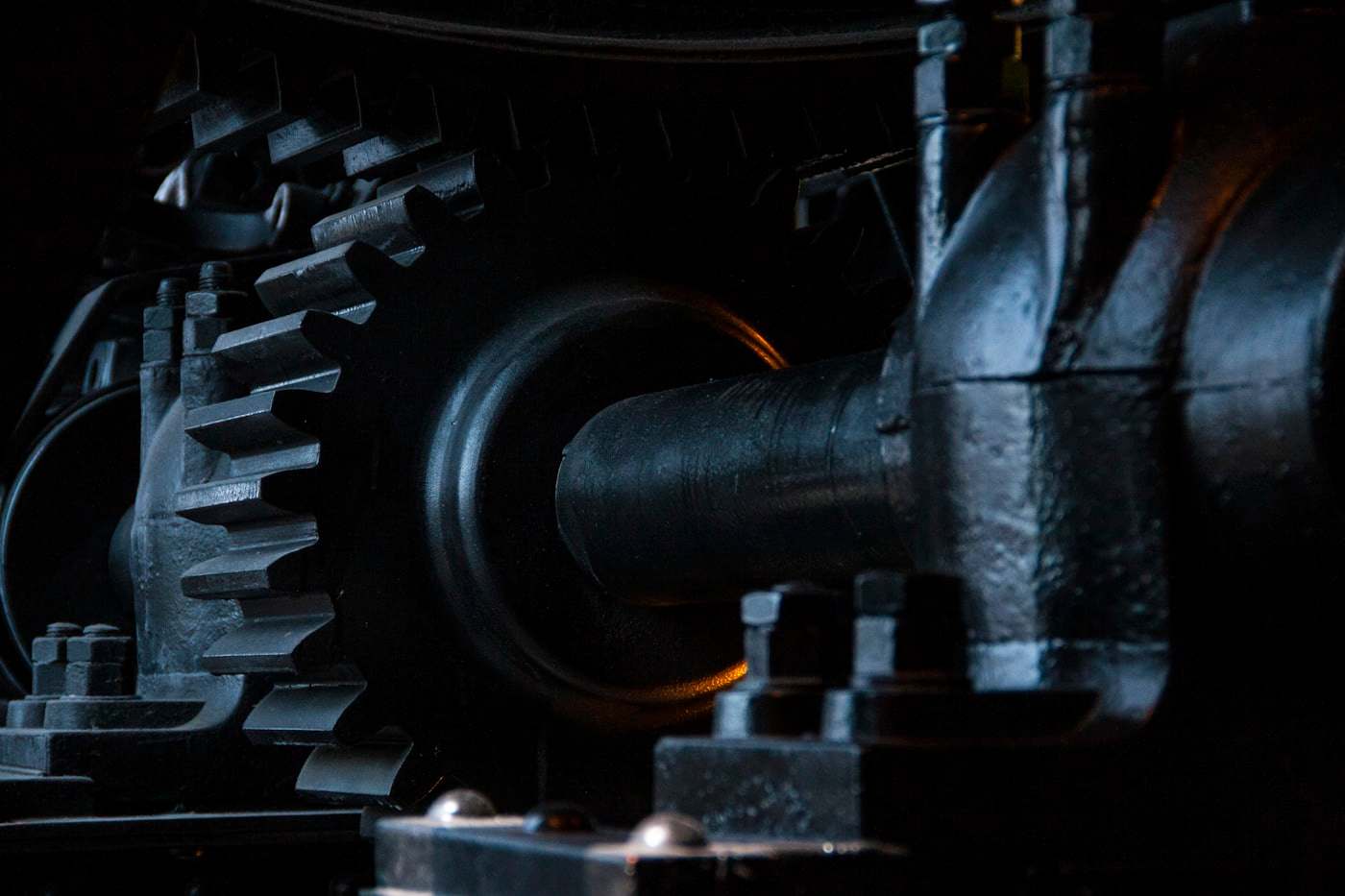
Machine builders and equipment owners use CutLinq for replacement parts on machines no longer supported by the original manufacturer, spare parts kits for maintenance stock, and low-volume production components for new equipment builds. Parts range from a single reverse-engineered bracket to a batch of 50 identical shaft couplings, laser cut, CNC machined or turned to match an original part or a new drawing.
This page covers what to send when replicating an existing part without a drawing, typical materials and tolerances for machine components, and how batch size affects unit price for spares and production runs.
Replacing a part with no drawing
Many machinery repairs start with a broken or worn part and no original drawing, common on older equipment imported into Egypt, the UAE or Saudi Arabia decades ago. The practical path is to measure the part with calipers or a CMM, reverse-engineer critical dimensions (bore diameters, keyway width, bolt pattern, thread pitch), and produce a STEP file or dimensioned sketch from that. For a worn part, measure a mating component instead where possible, since the worn surface itself is no longer the correct dimension. Send photos alongside measurements; a photo often resolves ambiguity about a chamfer, radius or feature that is hard to describe in a sketch.
| What to measure | Tool | Common pitfall |
|---|---|---|
| Bore and shaft diameters | Caliper or bore gauge | Measuring a worn bore instead of a fit reference |
| Keyway width and depth | Caliper, feeler gauge | Rounding to the nearest mm loses standard key fit |
| Bolt pattern (PCD, hole count) | Caliper, centre-to-centre | Assuming symmetry that isn't actually there |
| Thread pitch | Thread gauge or caliper pitch count | Confusing metric and imperial threads |
Materials and tolerances for machine components
Structural brackets and housings are usually S235JR or S355J2 mild steel, laser cut and welded, holding ISO 2768-m general tolerance unless a bearing or bushing seat needs tighter control. Shafts, bushings and wear parts are typically machined from 42CrMo4 (1.7225) or C45 (1.0503) steel for strength, or 6061-T6 aluminium where weight matters more than wear resistance; bearing seats and shaft fits commonly need ±0.02 to ±0.05 mm, achievable on CNC turning but not on general fabrication. For food or corrosive environments, 304 or 316L stainless replaces mild steel at a cost premium. State the fit class (H7/g6 and similar) if the part mates with a bearing or bushing, since a generic tolerance will not guarantee the fit.
| Component type | Typical material | Typical tolerance | Process |
|---|---|---|---|
| Structural bracket, housing | S235JR, S355J2 | ISO 2768-m (±0.2 to ±0.5 mm) | Laser cut, welded |
| Shaft, bushing | 42CrMo4, C45 | ±0.02 to ±0.05 mm at fits | CNC turning |
| Wear plate, guide | Tool steel 1.2379 or hardened C45 | ±0.05 mm | CNC milling, hardening |
| Lightweight cover, guard | 6061-T6 aluminium | ISO 2768-m | Laser cut, bent, or machined |
| Food or corrosive-duty part | 304 or 316L stainless | As specified | CNC or laser cut, welded |
Spares stock and low-volume production
Maintenance teams commonly order 5 to 20 pieces of a wear part to hold as stock rather than reacting to each breakdown individually; the unit price at 10 pieces is typically 20 to 35% lower than ordering the same part singly each time, since setup cost is spread across the batch. For new equipment builds moving from prototype to a first production run of 20 to 200 units, the same drawing and file used for the prototype quotes directly for the larger batch, with price per part dropping as quantity increases and, above roughly 100 to 200 units, tooled processes such as punching sometimes becoming cheaper than laser cutting.
MENA operating conditions for machinery parts
Dust ingress is the most common cause of premature wear on machinery running in Egypt, the UAE and Saudi Arabia; sealed bearing housings and wiper seals on exposed shafts extend service intervals significantly in dusty plant environments. Machines operating outdoors or in unconditioned buildings in Gulf summer heat see component temperatures well above the 20 to 25 °C used in most bearing life calculations, which shortens lubricant life and can require a higher-temperature grease specification. For coastal sites, unprotected mild steel brackets and covers corrode faster than inland; galvanised or painted finishes on non-precision parts extend service life without materially affecting fit or function.
Design tips
- Measure a mating part rather than the worn original when reverse-engineering a fit dimension.
- State the fit class (such as H7/g6) explicitly for any shaft, bore or bushing seat; a general tolerance will not guarantee it.
- Order spares in batches of 5 to 20 rather than one at a time; unit price typically drops 20 to 35% at that quantity.
- Specify sealed bearings or wiper seals for shafts on equipment running in dusty plant environments.
- Use 42CrMo4 or C45 for shafts and wear parts, not mild steel, where fatigue strength matters.
- Send photos alongside measurements when no drawing exists; a photo resolves chamfer and radius ambiguity a sketch cannot.
- Flag food-contact or washdown duty explicitly so 304 or 316L is quoted instead of mild steel by default.
Applications
| Industry | Example parts | Typical material |
|---|---|---|
| General manufacturing plants | Replacement brackets, guards, housings | S235JR, 6061-T6 aluminium |
| Food and beverage machinery | Shafts, guards, hoppers | 304 or 316L stainless |
| Packaging and conveyor OEMs | Frame sections, roller shafts, guides | S235JR, C45 steel |
| Construction equipment maintenance | Wear plates, pins, bushings | 42CrMo4, hardened tool steel |
| Textile and printing machinery | Rollers, brackets, tensioners | S235JR, aluminium |
| Agricultural machinery | Frames, shafts, guards | S235JR, C45 steel |
| Water treatment and pumping | Impeller housings, brackets | 304 stainless, cast-to-fabricated redesign |
Pricing and lead time
Machinery parts price on material and grade (alloy and tool steels cost more than mild steel and need longer machining time), process complexity (a turned shaft with multiple diameters and a keyway takes longer than a flat bracket), and quantity (unit price drops as batch size rises through setup-cost amortisation). Simple laser-cut brackets ship in 2 to 4 working days; machined shafts and bushings with tight fits run 5 to 10 working days depending on hardening or plating requirements.
Frequently asked questions
Yes. Send measurements from calipers or a CMM plus photos; we reverse-engineer the critical dimensions and produce a STEP file for machining or a DXF for laser-cut parts before quoting.
Upload a DXF or STEP file, or send measurements and photos of the part to replace, and receive a binding quote within 12 hours.