Solar Mounting Structures Fabrication
Ground-mount racking, rooftop brackets and tracker components in galvanised steel and aluminium for MENA solar projects
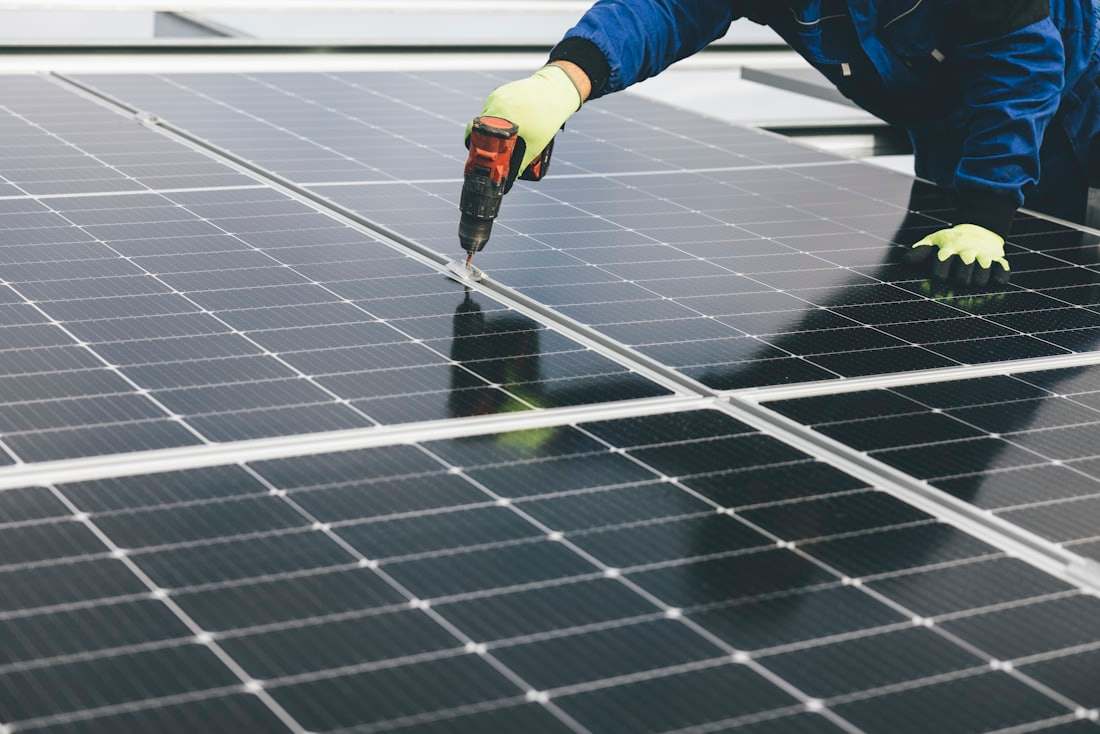
Solar mounting structures for utility, commercial and rooftop installations across Egypt, the UAE and Saudi Arabia are fabricated mainly from hot-dip galvanised steel (DX51D+Z) for ground-mount racking and piles, and 5754 or 6061-T6 aluminium for rooftop rail systems where weight matters. CutLinq sources laser and plasma cutting, CNC punching, bending and galvanising for racking components, brackets, clamps and tracker parts, matched to the load and corrosion requirements of the site.
This page covers the material and coating choices that hold up under Gulf and Egyptian sun exposure and dust, typical component thicknesses, and what to specify so wind and structural load calculations translate correctly into fabrication drawings.
Galvanised steel vs aluminium for racking
Ground-mount racking, piles and main structural members are almost always hot-dip galvanised S235JR or S355J2 steel, since galvanising gives a coating life of 25 years or more in most inland environments and steel's stiffness suits long structural spans economically. Aluminium (5754 or 6061-T6) is preferred for rooftop rail systems and clamps where reduced weight lowers roof load and eases installation, and where the natural oxide layer resists corrosion without a coating step. Coastal ground-mount sites in the Gulf sometimes specify a heavier galvanising coat (Z600 or above) or duplex coating (galvanising plus powder coat) over standard Z275 for extended service life against salt air.
| Component | Standard material | Coastal upgrade | Typical thickness |
|---|---|---|---|
| Ground-mount piles, main frame | S235JR/S355J2, hot-dip galvanised Z275 | Z450-600 or duplex coating | 3 to 6 mm |
| Purlins, rails (ground-mount) | Galvanised steel | Duplex coating near coast | 1.5 to 3 mm |
| Rooftop rail systems | 6061-T6 or 5754 aluminium | Anodised for extra protection | 2 to 4 mm |
| Module clamps, brackets | Aluminium or galvanised steel | Stainless fasteners at contact points | 2 to 4 mm |
| Tracker components | S355J2 galvanised, some machined parts | As per structural calc | 3 to 8 mm |
Wind and structural load: what to send
Racking design starts from a structural calculation covering wind load (typically based on local wind speed data and installation height), snow or dead load where relevant, and module weight, producing member sizes and connection details. Send the structural engineer's calculation package or the specified member sizes and steel grades along with the fabrication drawing; CutLinq fabricates to the specification rather than re-deriving load calculations. Where only a concept layout exists without engineering sign-off, flag this so lead time accounts for the structural review step before fabrication begins.
Sand, heat and dust considerations
Fine sand abrasion on galvanised coatings over years of exposure in desert sites (common across inland Saudi Arabia, the UAE interior and Upper Egypt) is generally minor compared to salt-driven corrosion, but moving parts on single-axis or dual-axis trackers need dust-sealed bearings and periodic lubrication intervals shorter than a temperate-climate default. Surface temperatures on dark-coated steel racking can exceed 70 °C in direct summer sun, which affects thermal expansion allowances on long rail runs; allow roughly 12 µm per m per °C for steel and 23 µm per m per °C for aluminium, with expansion joints at manufacturer-specified intervals on rail systems.
Batch size and standardisation
Utility-scale projects order racking components in batches of hundreds to thousands of identical parts, where CNC punching or dedicated tooling becomes economical over laser cutting alone, and price per part drops significantly compared to small commercial rooftop orders of a few dozen brackets. Standardising bracket and clamp designs across a project, rather than customising per row or per roof section, both simplifies fabrication and shortens quoting, since one drawing and one quote cover the full batch rather than dozens of variants.
Design tips
- Specify hot-dip galvanising to Z275 minimum for ground-mount steel, and consider Z450 or duplex coating within a few kilometres of the Gulf or Red Sea coast.
- Use stainless steel fasteners at aluminium-to-steel contact points to avoid galvanic corrosion between the two metals.
- Allow thermal expansion of roughly 12 µm per m per °C for steel rail runs and 23 µm per m per °C for aluminium, with expansion joints at the intervals the rail manufacturer specifies.
- Send the structural engineer's load calculation or specified member sizes with the fabrication drawing rather than a concept sketch alone.
- Standardise bracket and clamp designs across the project where the roof or terrain allows, to reduce part variants and quoting time.
- Specify dust-sealed bearings and shorter lubrication intervals for tracker pivot points in desert dust conditions.
- Batch order racking components in the hundreds where the project size allows, since unit price drops meaningfully above small commercial quantities.
Applications
| Industry | Example parts | Typical material |
|---|---|---|
| Utility-scale solar farms | Ground-mount racking, piles, purlins | Galvanised S235JR/S355J2 |
| Commercial rooftop solar | Rail systems, ballast trays, clamps | 6061-T6 or 5754 aluminium |
| Residential rooftop solar | Small racking kits, brackets | Aluminium, galvanised steel |
| Solar tracker manufacturers | Pivot brackets, drive housings, frames | Galvanised S355J2, machined steel |
| Carport and elevated solar structures | Structural columns, beams, racking | S355J2, hot-dip galvanised |
| EPC contractors | Custom racking for irregular sites | Mixed, per structural spec |
Pricing and lead time
Pricing is driven by material (galvanised steel is cheaper than aluminium per part but heavier to ship; aluminium suits weight-sensitive rooftop jobs), process (CNC punching becomes economical over laser cutting at higher batch sizes), and coating (standard Z275 galvanising versus a heavier or duplex coating for coastal sites adds cost and 2 to 4 working days). Small commercial batches of a few dozen brackets ship in 5 to 8 working days including galvanising; utility-scale orders in the hundreds to thousands typically run 3 to 6 weeks depending on tooling setup and coating capacity.
Frequently asked questions
Aluminium (6061-T6 or 5754) is the usual choice for rooftop rail systems where reducing roof load matters and installation ease is a priority; galvanised steel remains standard for ground-mount racking where weight is less of a constraint and cost per part is lower.
Upload your racking drawing or structural specification and receive a binding quote within 12 hours.