Oil, Gas and Energy Sector Fabrication
Structural brackets, plate work and fittings for refineries, offshore platforms and energy infrastructure
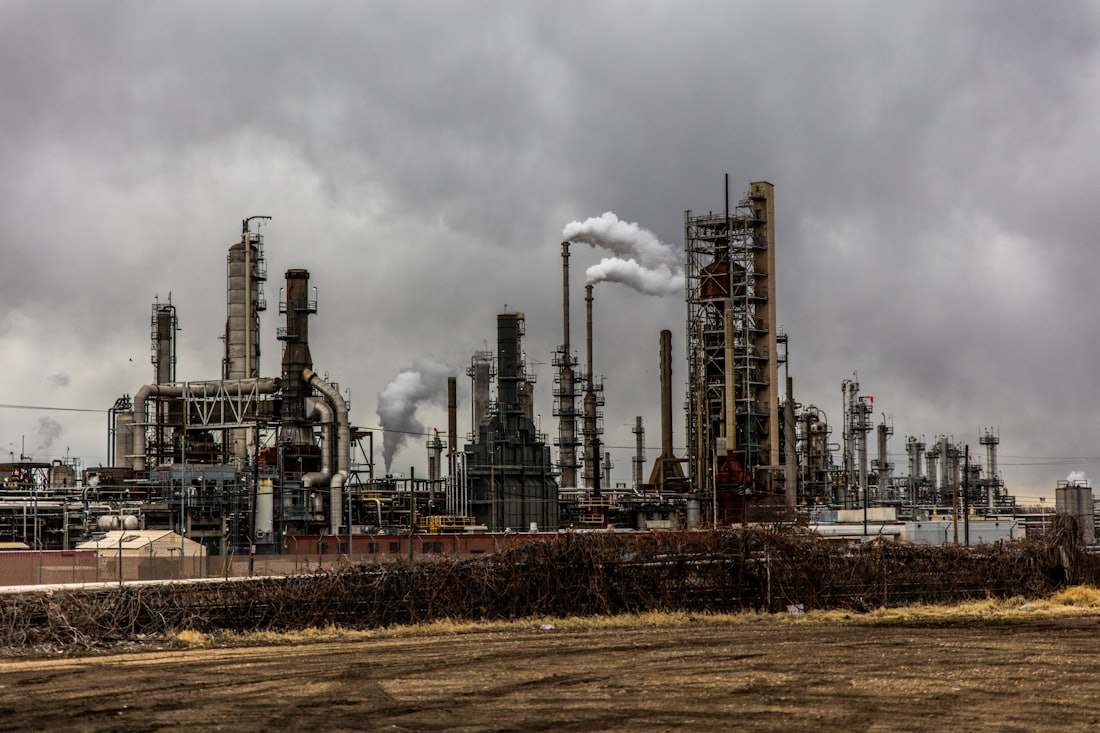
Refineries, offshore platforms, pipeline infrastructure and power generation sites across Egypt, the UAE and Saudi Arabia need structural brackets, plate fabrication, pipe supports and stainless fittings that hold up under heat, sour gas exposure and coastal salt air. CutLinq sources these from workshops with plasma and laser cutting up to 25 mm mild steel plate, CNC machining and welding capability, matched to the material and process your part needs.
This page covers plate thickness ranges for structural work, material choices for sour service and coastal exposure, and what documentation to request for parts going into a pressure or safety-critical system.
Plate thickness and cutting process
Structural steelwork for platforms, skids and pipe racks commonly uses plate from 6 to 25 mm; below 20 mm fiber laser or plasma cutting is efficient, above 20 mm plasma or waterjet is typically more economical since laser cutting speed drops sharply on thick plate. Bevel-cut edges for welding (commonly 30 to 45°) can be plasma or laser cut directly on many machines, saving a separate bevelling pass. Flame-cut (oxy-fuel) is still used for very thick plate above 40 mm on some jobs, though CutLinq's network is centred on plasma and laser for the 3 to 25 mm range most fabrication and skid work falls into.
| Plate thickness | Recommended process | Typical use | Edge for welding |
|---|---|---|---|
| 3 to 10 mm | Fiber laser | Brackets, gussets, small plate parts | Square cut, weldable directly |
| 10 to 20 mm | Plasma or fiber laser (higher power) | Structural plate, skid bases | Bevel cut available |
| 20 to 25 mm | Plasma | Heavy structural plate | Bevel cut standard |
| Above 25 mm | Waterjet or flame cut, by request | Heavy structural, pressure vessel plate | Bevel cut, may need machining finish |
Material for sour service and coastal exposure
Standard structural steel is S235JR or S355J2 for brackets, skids and pipe racks with no sour gas or direct chemical exposure. Where H2S (sour gas) is present, carbon steel components in wetted service typically need NACE MR0175 compliant material and hardness control, which is a specification decision made with the client's process engineer rather than a default CutLinq assumes; flag it explicitly on the RFQ. For coastal platforms and onshore sites near the Gulf or Red Sea coast, 316L (1.4404) stainless resists chloride pitting significantly better than 304 and is the standard choice for fittings, brackets and small components in direct sea spray; duplex stainless (such as 2205) is used for higher-strength, higher-corrosion-resistance applications but is a specialised order outside CutLinq's standard material range and quoted case by case.
| Application | Standard material | Coastal/sour service | Note |
|---|---|---|---|
| Structural brackets, pipe racks | S235JR, S355J2 | Hot-dip galvanised or 316L near coast | Confirm coating spec for outdoor exposure |
| Small fittings, brackets near sea | 304 stainless | 316L | 316L standard within direct spray zones |
| Wetted carbon steel in sour service | Standard grade with mill cert | NACE MR0175 compliant, by request | Confirm with process engineer before ordering |
| High-corrosion specialist parts | Not standard | Duplex 2205, case by case | Quoted separately, longer lead time |
Documentation and traceability
Parts entering a pressure system, safety-critical assembly or export shipment commonly need a material test certificate (mill certificate, EN 10204 3.1 type) tracing the plate or bar to its heat number, and sometimes a dimensional inspection report. State this requirement on the RFQ; suppliers in the CutLinq network can source certified material and provide the certificate with the shipment, but sourcing certified plate typically adds 2 to 4 working days to lead time compared with standard commercial-grade stock. Weld procedure and welder qualification records (WPS/WQR) can be requested for structural welds where the client's own QA process requires them.
Heat and dust in Gulf and Egyptian sites
Ambient temperatures above 45 °C at inland Saudi and Gulf sites and blowing sand on exposed structural steel accelerate coating breakdown; specify a coating system rated for the exposure category rather than a standard indoor primer, and inspect coating condition on outdoor structural steel every 3 to 5 years. Fine dust ingress into instrument enclosures and junction boxes is a recurring issue; IP65 sealing and drainage at the lowest point on any outdoor enclosure reduces both dust and condensation-driven corrosion inside the box.
Design tips
- State whether the part sees sour gas (H2S) service explicitly; this changes material and hardness requirements and cannot be assumed from the application name alone.
- Specify 316L rather than 304 for any fitting or bracket in direct sea spray at a coastal site.
- Request bevel-cut edges directly in the cutting quote rather than as a separate machining step, where the plasma or laser machine supports it.
- Ask for EN 10204 3.1 mill certificates up front if the part enters a pressure or safety-critical system; this adds lead time if requested after material is already sourced.
- Use IP65 sealing and drainage holes on outdoor instrument enclosures and junction boxes to manage sand and condensation.
- Confirm coating system rating (not just RAL colour) for structural steel exposed to sun, sand and salt.
- Specify duplex or higher alloys only where a corrosion assessment supports it; they are a specialist, longer-lead-time order.
Applications
| Industry | Example parts | Typical material |
|---|---|---|
| Refineries and petrochemical plants | Structural brackets, pipe supports, skids | S235JR, S355J2, 316L fittings |
| Offshore and coastal platforms | Deck fittings, ladders, brackets | 316L stainless, hot-dip galvanised steel |
| Pipeline infrastructure | Support brackets, valve platforms | S355J2, coated carbon steel |
| Power generation | Enclosure frames, cable tray, brackets | S235JR, galvanised steel |
| Solar and renewable energy | Mounting structures, combiner supports | Galvanised steel, aluminium |
| Instrumentation and control | Junction box enclosures, panel frames | 304/316L stainless |
| Site maintenance and turnaround | Custom brackets, replacement plate parts | S235JR, S355J2 |
Pricing and lead time
Pricing is driven by plate thickness and cutting process (plasma and laser cost differently by thickness band), material grade (316L and certified material cost significantly more than standard mild steel), and documentation requirements (mill certificates and inspection reports add both cost and 2 to 4 working days). Standard structural brackets in commercial-grade steel ship in 3 to 7 working days; parts requiring certified material, NACE compliance or dimensional reports typically run 7 to 15 working days.
Frequently asked questions
Yes, state the requirement (typically EN 10204 3.1) on the RFQ; sourcing certified material adds 2 to 4 working days compared with standard commercial stock.
Upload your DXF or STEP file with material and any certification requirement stated and receive a binding quote within 12 hours.