Corrosion Protection Options for Steel Parts
Comparing galvanising, powder coating, plating and stainless substitution for Gulf and Egyptian conditions
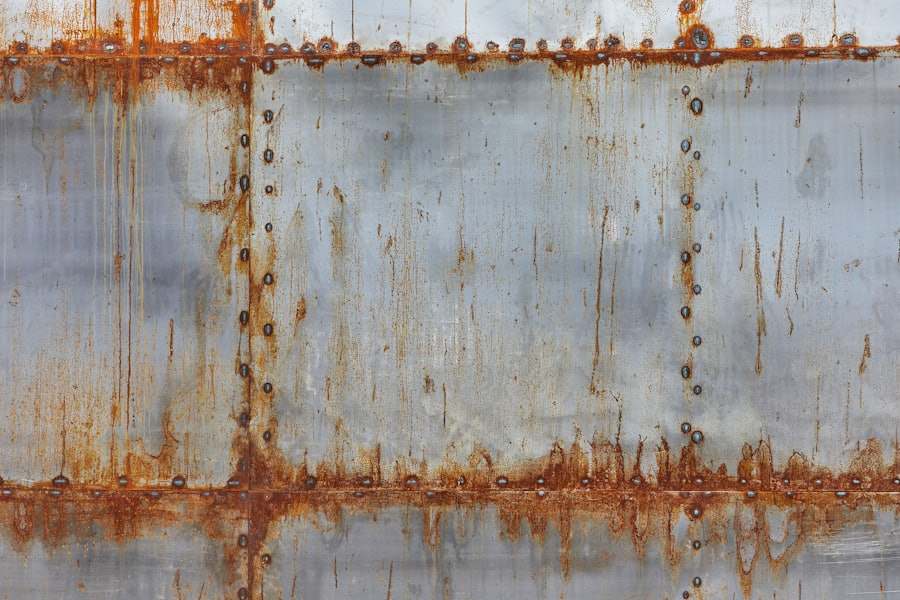
Steel corrodes when moisture, oxygen and chloride reach bare metal, and coastal Gulf air, condensation inside HVAC ducts and seasonal humidity in the Nile Delta all accelerate it. Five practical options exist for mild steel parts: hot-dip galvanising, zinc electroplating, powder coating, a duplex system combining galvanising and powder coating, or substituting stainless steel where the part geometry or environment justifies the extra cost. Each option is chosen by matching expected salt spray hours to the environment, not by picking the cheapest coating and hoping it lasts.
This page compares realistic protection life for each option in Egyptian and Gulf conditions and gives a worked example for choosing between them on a single bracket.
How the options compare
Hot-dip galvanising bonds a 45-85 µm zinc layer metallurgically to the steel and self-heals small scratches by sacrificial protection, making it the standard for structural steel, ducting and outdoor frames with 15 to 25 years of protection inland and 10 to 15 years within a few kilometres of the coast. Zinc electroplating gives a thinner 5-25 µm layer, mainly used on fasteners and small hardware where galvanising would close tapped holes. Powder coating alone gives good UV colour and moderate corrosion resistance (500-1000 hours salt spray) but relies entirely on the film staying intact; a scratch through to bare steel starts rust with no sacrificial protection. Combining galvanising with powder coating (a duplex system) gives both mechanical colour and 20+ years of corrosion life and is the standard for coastal solar structures and signage.
| Option | Typical coating thickness | Salt spray resistance | Self-heals scratches | Typical service life inland / coastal |
|---|---|---|---|---|
| Hot-dip galvanising | 45-85 µm | 1000-1500 h | yes (sacrificial) | 20-25 yrs / 10-15 yrs |
| Zinc electroplating | 5-25 µm | 96-250 h | limited | 3-8 yrs / 1-3 yrs |
| Powder coating alone | 60-120 µm | 500-1000 h | no | 10-15 yrs / 3-5 yrs |
| Duplex (galvanise + powder) | 45-85 µm + 60-100 µm | 2000 h+ | yes | 25+ yrs / 15-20 yrs |
| Stainless substitution (316L) | n/a, solid material | n/a, resists directly | n/a | 30+ yrs / 20-30 yrs |
Worked example: an outdoor bracket in Jeddah
A 3 mm S235JR bracket mounted 2 km from the Red Sea coast, holding an HVAC condenser unit, is exposed to salt-laden humidity and direct sun. Powder coating alone (standard polyester, 500 hours salt spray) would show edge rust within 2 to 3 years given the coastal exposure. Hot-dip galvanising alone protects the steel for 10 to 15 years but leaves a grey finish that many facades reject visually. The duplex option, galvanising plus a super-durable polyester top coat, costs roughly 1.8 to 2.2 times the powder-only baseline but gives 15 to 20 years before visible corrosion and matches the building colour scheme, which is the correct choice for a fixed installation with no planned replacement.
For a lower-cost alternative, substituting 1.4301 (304) stainless for the bracket removes the coating question entirely; in this coastal case 316L is safer than 304 due to chloride pitting risk, at roughly 30-40% higher material cost than mild steel but with no recurring maintenance.
When to substitute stainless instead of coating
Stainless substitution avoids the coating question but changes the fabrication cost: 1.4301 (304) cuts and welds similarly to mild steel with roughly 30-40% higher material cost, while 1.4404 (316L) adds another 15-20% over 304 for better chloride resistance. Substitution makes sense when the part is small, when recoating access is difficult (inside sealed enclosures, embedded fasteners), or when the part touches food, water or pharmaceutical product and a coating is not permitted. For large structural members, galvanising or duplex coating is normally cheaper than stainless for the same corrosion life.
| Environment | Recommended baseline | Upgrade if critical or coastal |
|---|---|---|
| Indoor, dry, inland (Cairo, Riyadh) | Powder coating, standard polyester | Zinc phosphate pretreatment |
| Outdoor, inland, dust exposure | Hot-dip galvanising or duplex | Super-durable polyester top coat |
| Coastal, within 5 km (Jeddah, Dammam, Alexandria, UAE) | Duplex galvanise + powder, or 316L | Zinc-rich epoxy primer under polyester |
| Food, water or pharmaceutical contact | 1.4301 (304) or 1.4404 (316L) | 316L where chloride cleaning agents are used |
| Embedded or sealed fasteners | Stainless fastener or zinc-nickel plating | avoid galvanising, which closes threads |
Design tips
- State the distance from the coast on the order; it changes the correct option more than any other single factor
- Do not galvanise threaded holes below M10 without agreeing tap-after-coat with the workshop; zinc closes the thread
- Specify duplex systems as 'hot-dip galvanise to EN ISO 1461 plus powder coat' so both steps are quoted together
- For fasteners, zinc-nickel plating (8-12 µm) outperforms standard zinc plating in salt spray at similar cost
- Where 316L is chosen for corrosion alone rather than strength, confirm whether 304 meets the actual exposure to save 15-20%
- Weld penetration must be full before galvanising; trapped flux in a partial weld causes the part to explode in the zinc bath
- Design drain holes into any hollow section that will be hot-dip galvanised, per the fabricator's venting requirement
Applications
| Industry | Typical corrosion risk | Common protection choice |
|---|---|---|
| Solar mounting structures | Outdoor, UV, sometimes coastal | Hot-dip galvanising or duplex |
| HVAC and ducting | Condensation, dust, coastal humidity | Galvanised sheet DX51D+Z, duplex for exposed frames |
| Construction and structural steel | Outdoor, structural load | Hot-dip galvanising to EN ISO 1461 |
| Food and beverage equipment | Wash-down, chloride cleaning agents | 1.4301 (304) or 1.4404 (316L) |
| Signage and architectural metalwork | UV, visible finish required | Duplex galvanise plus powder coat |
| Oil, gas and marine | High chloride, sour service in places | 1.4404 (316L) or duplex with zinc-rich primer |
Pricing and lead time
Three factors set the cost of corrosion protection: the coating system itself (galvanising and duplex cost more per part than powder coating alone due to the additional process and handling), part geometry (drain holes and venting for galvanising add design time but not much cost; complex shapes with trapped cavities can be rejected by a galvaniser), and whether stainless substitution removes coating cost but raises material cost. As a rough guide, powder coating alone is the baseline cost of 1.0; hot-dip galvanising alone runs 1.3-1.6; duplex systems run 1.8-2.4; and substituting 316L for the same part in place of coated mild steel runs 1.5-2.0 depending on wall thickness, since less material is often needed structurally. Lead time is 2-5 working days for powder coating, 3-6 working days for galvanising (often subcontracted to a dedicated galvanising plant), and 5-9 working days for duplex systems where both steps run in sequence.
Frequently asked questions
For structural or long-life outdoor frames, hot-dip galvanising alone or a duplex system (galvanise plus powder) outperforms powder coating alone, which relies on an unbroken film. If colour matters and the frame is not near the coast, duplex is the balanced choice.
Upload your DXF or STEP file with the environment and required corrosion protection, and receive a binding quote within 12 hours.