Which Material Should I Choose?
Mild steel, stainless, aluminium, galvanised, brass, copper and plastics compared for cost, corrosion, weight and machinability
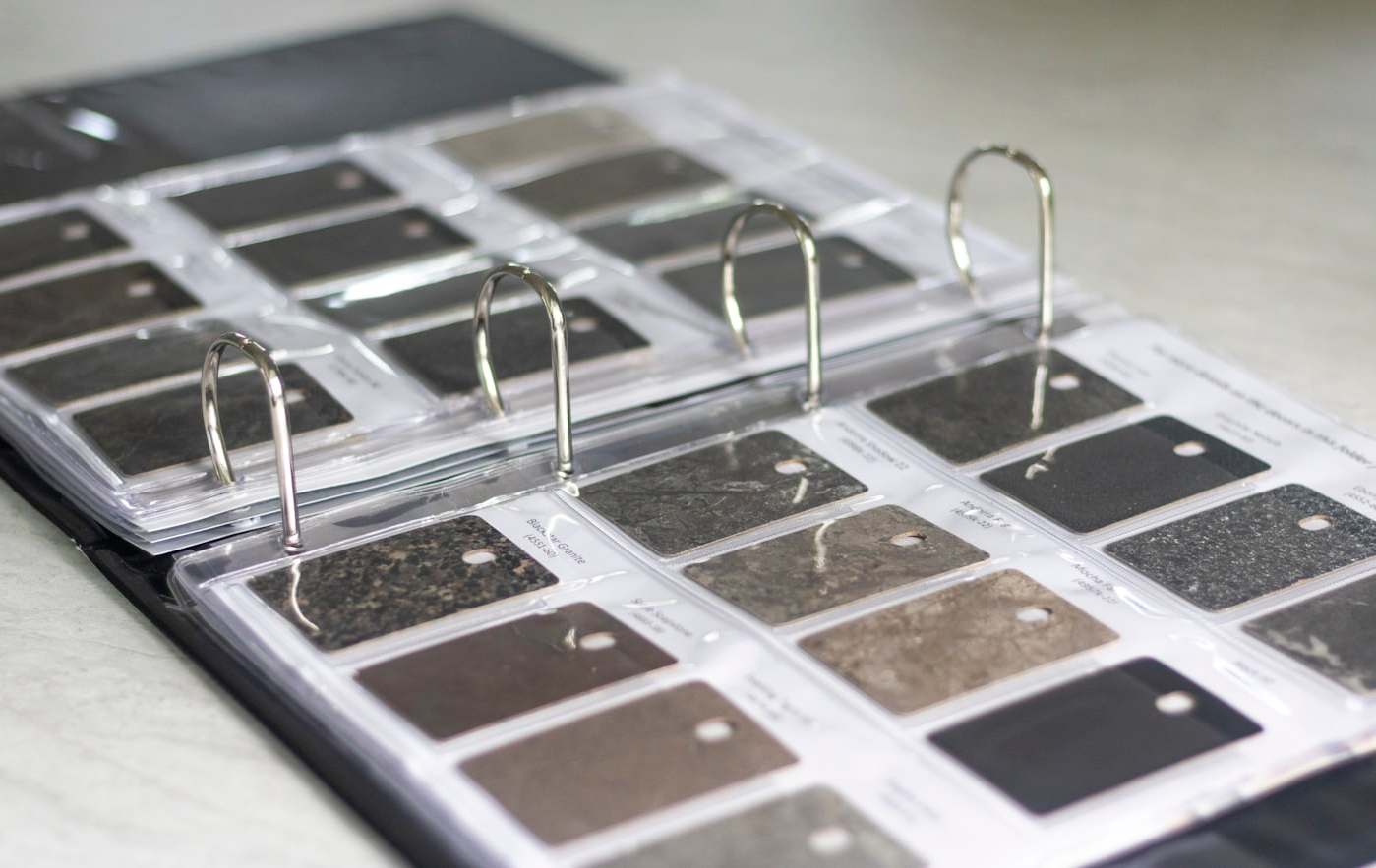
Choosing the material decides 40-70% of a part's cost before any process is picked. The short answer for most parts in Egypt, the UAE and Saudi Arabia: S235JR mild steel with powder coating for indoor and dry structures, DX51D+Z galvanised sheet for ducting and outdoor brackets, EN AW-5754 or 6061-T6 aluminium where weight or heat matters, 1.4301 (304) stainless for food and hygiene, and 1.4404 (316L) within 5 km of the coast.
This guide compares the seven material families on relative cost, density, strength, corrosion life in Gulf and Egyptian conditions, and how each behaves in laser cutting, bending, machining and welding, so you can decide before uploading a file.
The comparison at a glance
Relative cost is per kilogram of stock material with mild steel sheet as 100%. Actual part cost also depends on cutting speed and machinability, covered below. Strength values are typical minimum yield for the common grade in each family.
| Material (common grade) | Density kg/dm3 | Yield strength MPa | Relative cost/kg | Corrosion resistance | Weldability |
|---|---|---|---|---|---|
| Mild steel S235JR / DC01 | 7.85 | 235 | 100% | Poor, needs coating | Excellent |
| Galvanised DX51D+Z275 | 7.85 | 140-280 | 120-135% | Good, 20-40 µm zinc | Good, zinc fume |
| Stainless 1.4301 (304) | 7.9 | 210 | 350-450% | Very good inland | Very good |
| Stainless 1.4404 (316L) | 8.0 | 220 | 480-600% | Excellent, coastal | Very good |
| Aluminium EN AW-5754 | 2.66 | 80-130 | 300-400% | Very good, marine | Good, MIG/TIG |
| Aluminium 6061-T6 | 2.70 | 240 | 350-450% | Good, anodise | Fair, loses temper |
| Brass CuZn37 / CuZn39Pb3 | 8.4 | 120-200 | 700-900% | Good, tarnishes | Poor |
| Copper Cu-ETP | 8.9 | 70-200 | 900-1100% | Good, patina | Difficult |
Choose by environment
In the MENA region the environment is the first filter. Inland cities such as Riyadh, Cairo and 10th of Ramadan have dry heat and dust: powder-coated mild steel lasts 10-15 years outdoors. Coastal cities such as Jeddah, Dammam, Dubai and Alexandria add chloride-laden humidity: hot-dip galvanised steel, 316L stainless or marine aluminium are the sensible choices. Sand abrasion on exposed surfaces favours harder coatings and thicker zinc.
Temperature also matters. Rooftop equipment in the Gulf reaches 70-80 °C surface temperature. Plastics such as PMMA and POM soften and creep at these temperatures; aluminium and steel do not.
| Environment | First choice | Second choice | Avoid |
|---|---|---|---|
| Indoor, air-conditioned | S235JR + powder coat | Aluminium 5754 | None |
| Indoor, wet or food contact | 1.4301 (304) | Aluminium 5754 anodised | Galvanised (zinc leaches) |
| Outdoor inland (Riyadh, Cairo) | Hot-dip galvanised S235JR | S235JR + zinc primer + powder | Bare mild steel |
| Outdoor coastal (Jeddah, Dubai, Alexandria) | 1.4404 (316L) | Aluminium 5754 anodised 20 µm | 1.4301 (304), electrogalvanised |
| Chemical, pool, desalination | 1.4404 (316L) or 2205 duplex | PP / PVDF plastics | Aluminium, mild steel |
| High temperature over 300 °C | 1.4301 (304) or 1.4571 (316Ti) | S355JR uncoated | Aluminium, plastics, galvanised |
Choose by manufacturing process
Every material cuts, bends and machines differently, and the difference shows in price. Fiber lasers cut mild steel fastest; stainless and aluminium run 20-40% slower for the same thickness; brass and copper need higher power and cut slower still. Aluminium 5754 bends easily but 6061-T6 cracks at tight radii and needs 2-3 x thickness inside radius. In CNC machining, aluminium is 3-4 times faster than steel and 5-6 times faster than stainless, so machined aluminium parts are often cheaper than steel despite the higher stock price.
- Laser cutting: mild steel to 25 mm, stainless to 20 mm, aluminium to 15 mm, brass and copper to 8 mm.
- Bending: mild steel and 5754 aluminium are easiest; 316L needs 30-50% more force; 6061-T6 needs large radii.
- CNC machining: aluminium and brass fastest, mild steel medium, stainless and titanium slowest.
- Welding: mild steel MIG, stainless TIG, aluminium TIG or pulsed MIG; brass and copper only with preheating.
- Coating: steel takes powder coat or galvanising; aluminium takes anodising; stainless is usually left bare.
Worked example: an outdoor electrical enclosure in Jeddah
A 600 x 400 x 250 mm enclosure from 1.5 mm sheet, quantity 50, mounted outdoors near the Jeddah corniche. Mild steel with powder coating is the cheapest to buy but will show rust at edges and hinge holes within two years. Galvanised DX51D+Z275 with powder coating over a zinc primer performs adequately for 8-10 years and costs about 25-35% more. 316L stainless at 1.5 mm costs roughly 4-5 times the mild steel option per part but needs no coating and lasts beyond 20 years; 5754 aluminium at 2 mm, anodised, lands between the two at roughly 2.5-3 times mild steel and weighs a third as much, which matters for wall mounting.
For that project the practical choice is 316L if the client pays for lifetime, aluminium if weight and no maintenance matter, galvanised-plus-powder if budget dominates.
Plastics as an alternative
POM, PA6, PMMA, HDPE and PEEK are machined and laser-cut in the same network. They win for electrical insulation, low friction and chemical resistance, and lose for stiffness, temperature and UV exposure. PMMA and POM are laser-cut cleanly; PA and HDPE are not. For any outdoor part in Gulf sun, specify UV-stabilised grades and expect surface chalking on unprotected PMMA after 3-5 years.
Design tips
- Decide the environment first: any part within 5 km of the coast defaults to 316L, hot-dip galvanised or anodised aluminium.
- Use the cheapest grade that works, then upgrade only the exposed parts: a 304 door on a powder-coated steel frame is a common compromise.
- For weight-critical parts, aluminium 5754 at 1.5 x the steel thickness gives similar stiffness at 50% of the weight.
- Avoid mixing aluminium and bare steel or stainless in contact outdoors; add nylon washers or 20 µm anodising to stop galvanic corrosion.
- Standard stock thicknesses cost less: 1, 1.5, 2, 3, 4, 5, 6, 8, 10, 12 mm for steel and stainless; 1, 1.5, 2, 3, 4, 5, 6, 8, 10 mm for aluminium.
- For machined parts under 100 mm, quote both 6061-T6 and S235JR: the aluminium version is often cheaper because of cycle time.
- State the grade with both EN and common designation on the drawing, e.g. 1.4404 (316L), to avoid substitutions.
Applications
| Industry | Example parts | Typical material |
|---|---|---|
| HVAC | Ducts, plenums, brackets | DX51D+Z275 0.6-1.2 mm |
| Solar | Mounting rails, clamps, pile brackets | Hot-dip galvanised S235JR, 6063/6005 aluminium |
| Food processing | Tables, guards, hoppers | 1.4301 (304) 1.5-3 mm |
| Signage and facades | Letters, screens, cladding | Aluminium 5754 2-3 mm, 1.4301 (304) |
| Machinery | Frames, brackets, machined blocks | S235JR, 6061-T6 |
| Marine and oil and gas | Fittings, flanges, skids | 1.4404 (316L), 2205 duplex, S355JR |
| Electrical | Busbars, contacts, enclosures | Cu-ETP, CuZn37, DX51D+Z |
Pricing and lead time
Three factors decide the final part price across materials: the stock price per kilogram (stainless 4-6 times mild steel, brass and copper 7-11 times), processing time (aluminium machines 3-4 times faster than steel, stainless cuts 20-40% slower than mild steel), and the finishing required (mild steel nearly always needs galvanising or powder coating, adding 15-30%, while stainless and anodised aluminium often need nothing further). Typical lead times are 2-4 working days for laser-cut parts in stocked steel, stainless and aluminium, 4-7 working days for bent or machined parts, and 7-12 working days when brass, copper, titanium or non-standard thicknesses must be sourced.
Frequently asked questions
Per kilogram, yes, roughly 3-4 times. Per part, often no: aluminium parts weigh a third as much and machine 3-4 times faster, and they need no coating outdoors if anodised.
Upload your DXF or STEP file, tell us where the part will be used, and receive a binding quote within 12 hours.